



Professors Ebben and Murphy Edit Learning, Media and Technology Volume
Professors Ebben (Communication and Media Studies) and Murphy (Philosophy) co-edited The Future of Generative AI in Higher Education, a special issue of Learning, Media, and Technology (Taylor & Francis) that examines how generative AI is transforming higher education.
Additionally, Professor Ebben has an article in the publication entitled “Theorizing the Future of Generative AI in Education”.
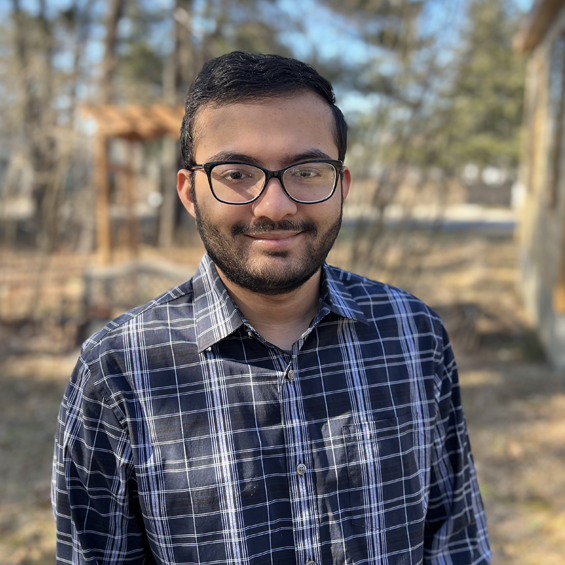
Meet Mackensen Award in Philosophy Recipient, Zaid Shaikh
Congratulations to Zaid Shaikh, who was chosen for the Mackensen Award in Philosophy. The award is given to an outstanding senior student, based on academic excellence, outstanding service, and quality of philosophical writing.
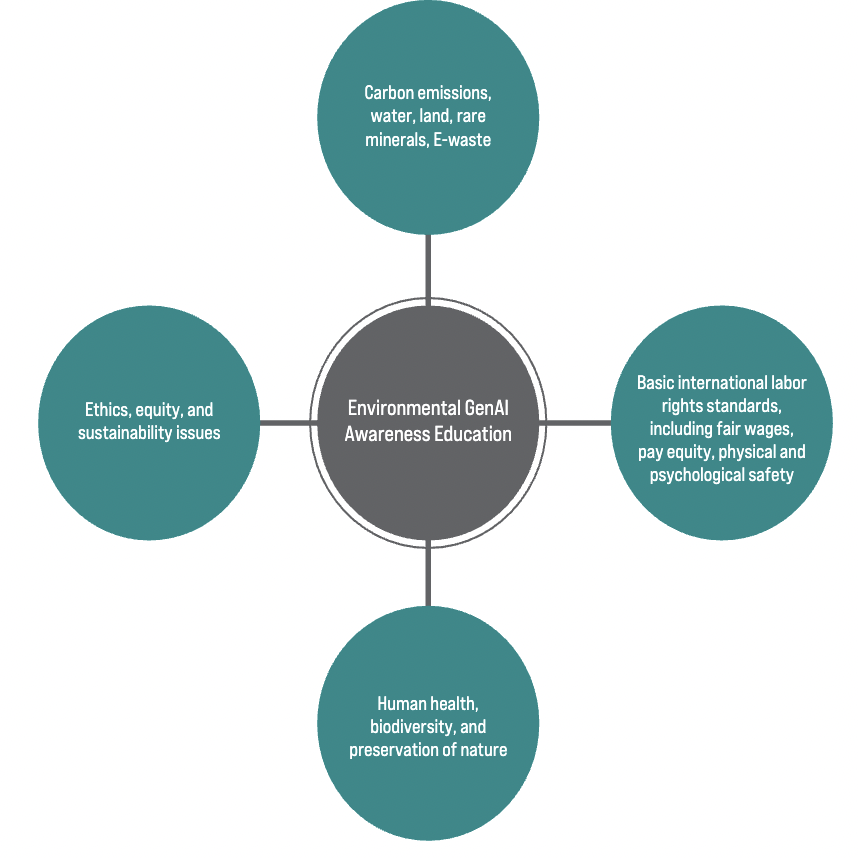
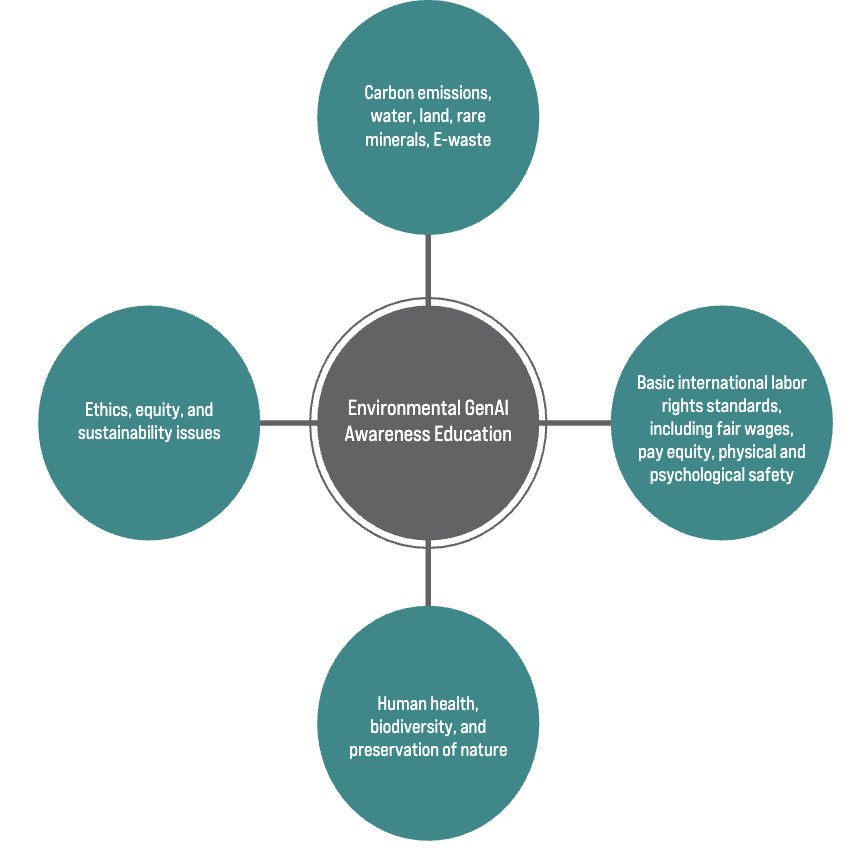
Professors Murphy and Ebben on Pedagogy and Environmental GenAI Awarness
Professor of Philosophy, Julien Murphy, and Associate Professor of Communication, Maureen Ebben, published an article for Geneva Graduate Institute’s NORRAG Global Education Centre’s Policy Insights AI and Digital Inequities.
Looking ahead to Law School?
Our Accelerated Graduate Pathway to the University of Maine School of Law can save you time and money in earning your JD.

Current students, faculty, and staff: Visit us on MyUSM
We’ve moved our information for current students, faculty, and staff to MyUSM — streamlining access through our secure, single sign-on portal. Login required.
News

Johann Bernhard Basedow and the Transformation of Modern Education
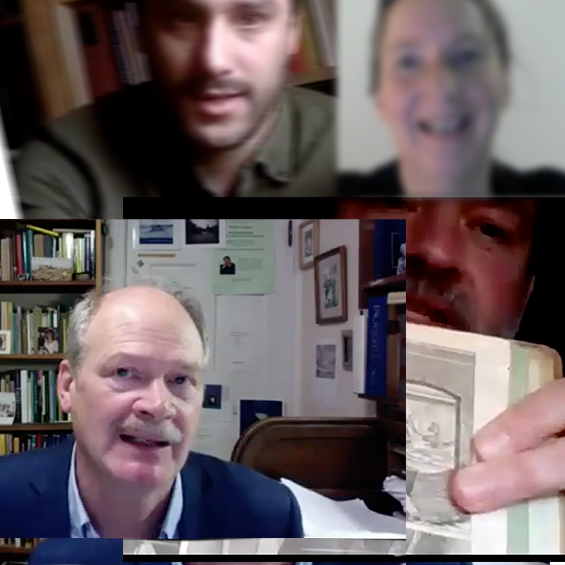
Professor Louden’s book, Johann Bernhard Basedow and the Transformation of Modern Education, is discussed in this international Zoom roundtable.